How to Choose the Right Plate Compactor
Choosing the right plate compactor isn’t just about picking a machine—it’s about matching the equipment to the job. Whether you’re working on a driveway, patio, or commercial project, the wrong choice can cost time, money, and finish quality.
This guide breaks down exactly what to look for, using real examples from the Husqvarna compaction range available at Husqy Construction Equipment.
1. Start with the Type of Job
The first (and most important) decision is what you’re compacting.
- Driveways / patios / paving → forward plate compactors
- Asphalt work → plates with water tanks
- Heavy groundworks / deep compaction → reversible compactors
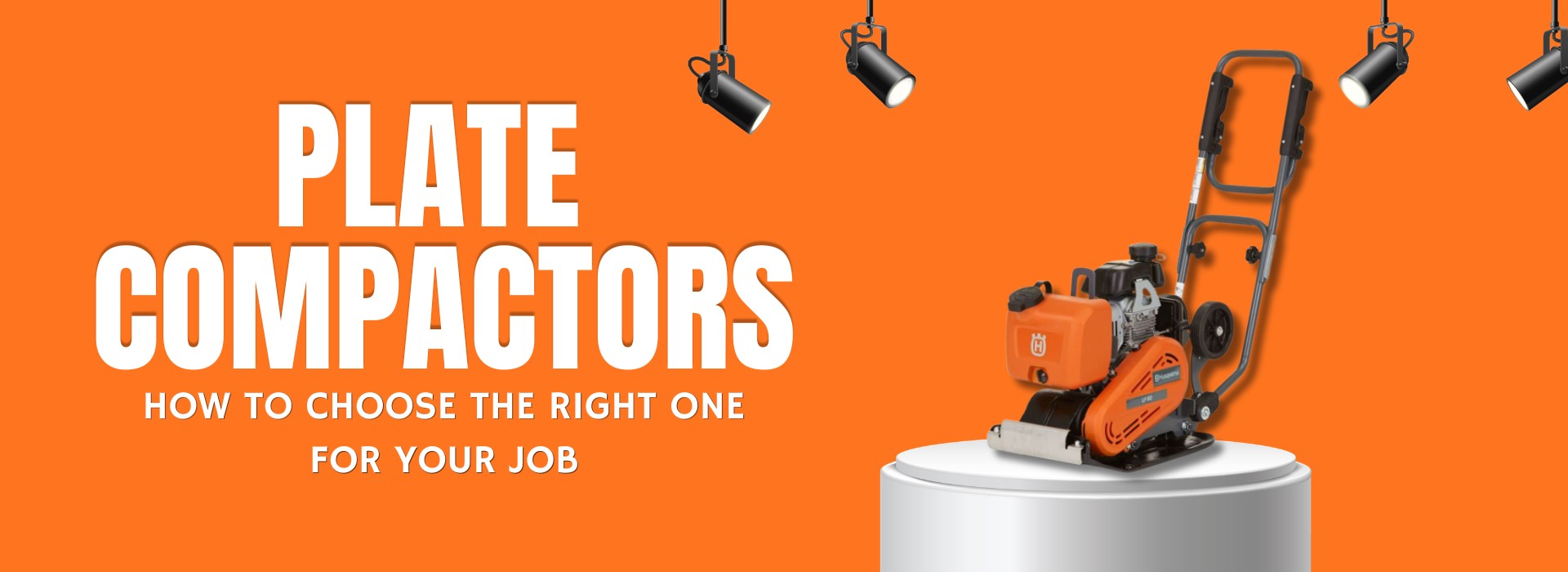
For example, machines like the Husqvarna LF range are designed for soil, gravel, and asphalt applications, making them ideal for general construction and landscaping work.
👉 If you’re doing standard landscaping or driveway prep, a forward plate is usually the right choice.
2. Choose the Right Size & Weight
Plate compactors are not “one size fits all.” Size directly affects performance.
Lightweight (50–75 kg)
- Ideal for small jobs and tight spaces
- Easier to transport and manoeuvre
Example:
- The LF 50 L (320mm plate) is designed for trenches and confined areas, where manoeuvrability matters most.
Mid-weight (80–110 kg)
- Best all-rounders for driveways, patios, and landscaping
- Balanced power and usability
Examples from Husqy:
- Husqvarna LF60LAT Plate Compactor – compact and efficient for smaller surfaces
- Husqvarna LF75LAT Plate Compactor – more power and wider coverage
These models are specifically designed for driveways, pathways, and maintenance work, making them ideal for most contractors.
Heavy-duty (150kg+)
- Used for larger commercial or groundwork projects
- Higher compaction force and deeper penetration
Example:
- Husqvarna LG 164 delivers around 28 kN of force, suited to demanding jobs.
👉 Rule of thumb:
The heavier the machine, the deeper and stronger the compaction.
3. Understand Compaction Force (kN)
Compaction force (measured in kN) determines how effectively the machine compresses material.
- 8–12 kN → light work (sand, small paths)
- 15–20 kN → general construction (driveways, patios)
- 25+ kN → heavy-duty groundworks
For example:
- LF 50 L → 8.4 kN (light duty)
- LF 75 LAT → ~15 kN (general purpose)
- LFV 80 → 19 kN (high productivity mid-range)
👉 For most UK landscaping jobs, 15–20 kN is the sweet spot.
4. Petrol, Diesel, or Battery?
Modern plate compactors come in different power types:
Petrol (most common)
- Reliable and widely used
- Found across most Husqvarna LF models
Diesel
- Better fuel efficiency for long, heavy jobs
Battery (newer option)
- Lower noise and emissions
- Example: Husqvarna LF PACE models offer battery-powered compaction
👉 For most users: petrol remains the best balance of power and convenience.
5. Consider Application-Specific Features
Some features make a big difference depending on your job:
Water tank (essential for asphalt)
Models like:
- Husqvarna LF75LAT Plate Compactor
Include integrated water systems that:
- Prevent asphalt sticking
- Improve surface finish
- Reduce downtime with larger tanks
Low vibration handles
- Reduce fatigue on long jobs
- Found on many Husqvarna machines
Paving protection kits
- Prevent damage to block paving
- Available as accessories for models like LFV 80
6. Plate Width Matters
The wider the plate:
- The faster you cover ground
- The less suitable it is for tight areas
Typical Husqvarna examples:
- 320 mm → tight spaces
- 420 mm → general purpose
- 500 mm → larger surfaces
👉 Choose based on access vs coverage.
7. Match the Machine to Your Workload
Here’s a simple way to decide:
- Occasional DIY / small jobs → lightweight model (LF 50 L)
- Regular landscaping work → mid-range (LF60 / LF75)
- Professional / heavy-duty use → reversible plate (LG series)
Husqvarna’s range is designed to scale from light maintenance work to heavy compaction tasks, giving you flexibility as your workload grows.
Choosing the right plate compactor comes down to five key factors:
- Job type
- Machine weight
- Compaction force (kN)
- Plate size
- Features (like water tanks or vibration control)
For most users, a mid-weight forward plate like the LF60 or LF75 range offers the best balance of power, versatility, and ease of use—especially for driveways, patios, and general groundwork.
If you’re buying from Husqy Construction Equipment, you’re already looking at a professional-grade range—so the key is simply choosing the right model for your specific job.